
The Ultimate Guide to Publicly Available GHG Emission Factor Databases for Scope 1, 2, and 3 Accounting
If you have ever opened the GHG Protocol and thought, “This all makes sense in theory, but where do I actually get the numbers?” you are not alone.
When people are new to greenhouse gas accounting, emission factors are often the most confusing part of the process. There are hundreds of databases, many overlapping, some global, some regional, some highly specific, and others frustratingly high level. Choosing the wrong source can quietly undermine data quality and credibility. Choosing the right one can save weeks of work and make future audits far easier.
This article is a comprehensive, practitioner focused guide to the most widely used publicly available GHG emission factor databases used for corporate GHG inventories. It is organized by Scope 1, Scope 2, and Scope 3, with additional breakdowns by emission category so you can quickly identify what to use and when.
This is the guide I always wish I had when I was starting out.
A quick note on emission factor hierarchy
Before diving into specific databases, it is important to understand one foundational concept.Not all emission factors are equal.
In general, emission factors follow a quality hierarchy:
- Measured, site specific, or supplier specific data
- Activity based emission factors aligned to geography and technology
- National or regional average emission factors
- Global averages or economic spend based factors
If you are just getting started, one of the fastest ways to understand how emission factors actually get applied in practice is to run a simple calculation yourself. North Star offers a free carbon calculator at https://northstarcarbon.com/free-carbon-calculator that shows how real Scope 1, 2, and 3 activity data connects to specific emission factor sources. It is a helpful bridge between theory and practice.

Scope 1 emissions
 Direct emissions from owned or controlled sources
Scope 1 emissions include direct emissions from sources a company owns or controls. These are often the most straightforward to calculate, assuming you have solid activity data.
Common Scope 1 sources include:
- Stationary combustion such as natural gas boilers
- Mobile combustion such as company owned vehicles
- Process emissions from manufacturing or chemical reactions
- Fugitive emissions such as refrigerant leaks
Core Scope 1 emission factor databases
US EPA GHG Emission Factors Hub
For US based companies, this is the most commonly used and widely accepted source for Scope 1 emission factors.It includes:
- Natural gas, propane, fuel oil, and other stationary fuels
- Gasoline and diesel for mobile combustion
- CO₂, CH₄, and N₂O factors
- Refrigerants and other fugitive emissions
UK Department for Environment, Food & Rural Affairs Conversion Factors
Often referred to as DEFRA factors, this dataset is one of the most comprehensive publicly available resources globally.It is especially useful when:
- Operating outside the United States
- Needing fuel types not covered by EPA
- Wanting a consistent dataset across multiple regions
Intergovernmental Panel on Climate Change Guidelines
The IPCC provides default emission factors and methodological guidance, particularly useful where national data is unavailable. These are typically higher level but methodologically robust.Scope 2 emissions
 Purchased electricity, steam, heating, and cooling
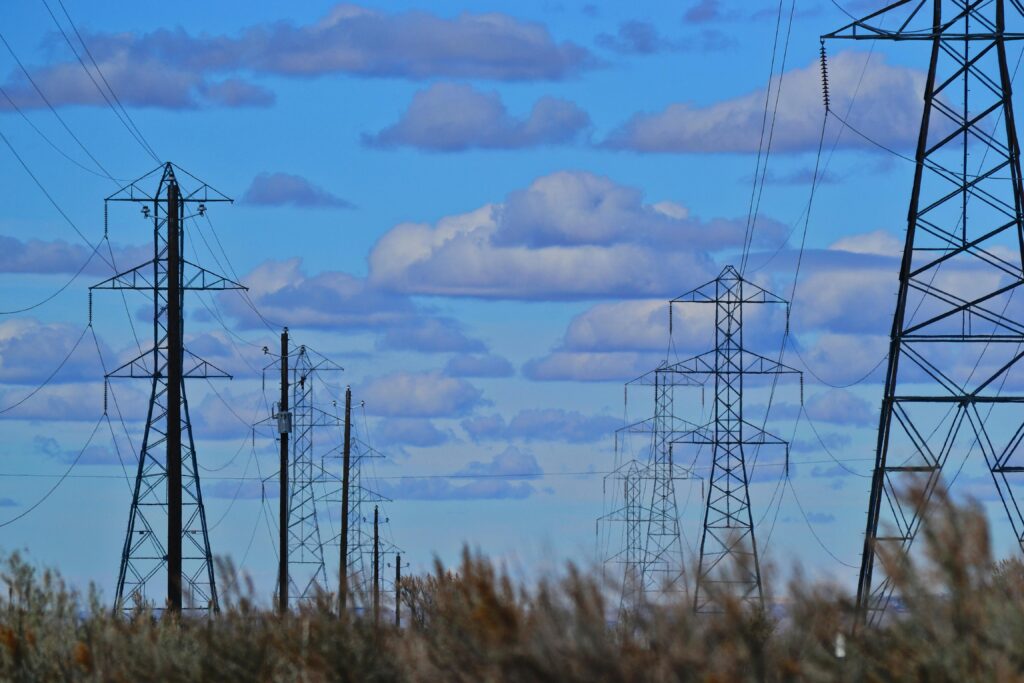
Scope 2 emissions are conceptually simple but methodologically nuanced. Emission factor selection depends on whether you are reporting location based, market based, or both.
Core Scope 2 emission factor databases
US EPA eGRID
eGRID is the backbone of Scope 2 location based reporting in the United States.It provides:
- Subregion specific grid emission factors
- CO₂, CH₄, and N₂O emissions
- Historical trend data
International Energy Agency Electricity Emission Factors
The IEA publishes country level electricity emission factors used widely for international reporting.These are best used when:
- Operating outside the US
- Subnational grid data is unavailable
- You need consistency across many countries
GHG Protocol Scope 2 Guidance
While not a database itself, this guidance defines how emission factors should be applied for market based reporting, including renewable energy instruments and residual mix factors. Many Scope 2 errors stem from misapplication of this guidance rather than the wrong emission factor.Scope 3 emissions
 Value chain emissions upstream and downstream
Scope 3 is where emission factor databases become both essential and overwhelming. There are 15 Scope 3 categories, and no single database covers them all well.
Scope 3 is also where teams often feel stuck. Not because the data does not exist, but because it is hard to know which emission factor source is appropriate for each category. Tools like North Star’s free carbon calculator at https://northstarcarbon.com/free-carbon-calculator can help teams sanity check early assumptions, especially when starting with spend based or activity based data before moving toward supplier specific emissions.
Below is a practical breakdown of the most common Scope 3 categories and the databases typically used.
Scope 3 Category 1
Purchased goods and services
This is often the largest Scope 3 category and the most challenging to quantify accurately.US EPA Environmentally Extended Input Output factors
These spend based emission factors link economic activity to emissions by sector. They are commonly used when only financial spend data is available and are often the starting point for first year inventories.EXIOBASE
EXIOBASE is a publicly available multi regional input output database that provides greater geographic resolution for global supply chains.Ecoinvent
Ecoinvent provides detailed activity based emission factors for materials and products. While not always fully free, it is widely used through LCA tools and academic access.Scope 3 Categories 3 to 7
Fuel and energy related activities, transportation, waste, travel, and commuting
These categories typically rely on a mix of combustion, transportation, and waste emission factors.UK Department for Environment, Food & Rural Affairs Conversion Factors
DEFRA is one of the most versatile Scope 3 resources available and is commonly used for:- Freight transport by mode and distance
- Business travel by air, rail, and vehicle
- Employee commuting assumptions
- Waste treatment pathways
US EPA WARM Model
The Waste Reduction Model is widely used for Scope 3 Category 5 and includes landfill, recycling, composting, and waste to energy pathways.Scope 3 Categories 9 to 12
Downstream transportation, product use, and end of life
These categories often rely on assumptions about customer behavior and product lifecycles.Both EPA and DEFRA databases provide emission factors for:
- Downstream freight transport
- Energy use during product life
- End of life disposal scenarios
Land use, agriculture, and removals
Traditional corporate databases often fall short for land based emissions.GHG Protocol Land Sector and Removals Guidance
This guidance introduces methods for land use change, soil carbon, and biogenic carbon accounting.IPCC Agriculture and Land Use Guidelines
The IPCC remains the foundational source for agricultural and land sector emissions globally.How North Star approaches emission factor management
One of the biggest challenges practitioners face is not finding emission factors. It is managing them over time.Good carbon accounting requires:
- Clear documentation of factor sources
- Version control as datasets change
- Transparency for third party review
- Consistent application year over year
If you want a practical way to test these databases, understand how emission factors roll up into totals, and build confidence before committing to a full inventory, you can start with North Star’s free carbon calculator at https://northstarcarbon.com/free-carbon-calculator.
Final thoughts
Emission factors are the backbone of every GHG inventory and one of the easiest places to make mistakes that quietly undermine data quality.You do not need the perfect emission factor in year one. You do need a defensible one, applied consistently, and clearly documented.
Start with reputable public databases. Understand their strengths and limitations. Improve over time as better data becomes available.
If this guide saves you even a few hours of searching, confusion, or second guessing, it has done its job.